Ciguatera: capacity building
 2026-01-26 (IPMA)
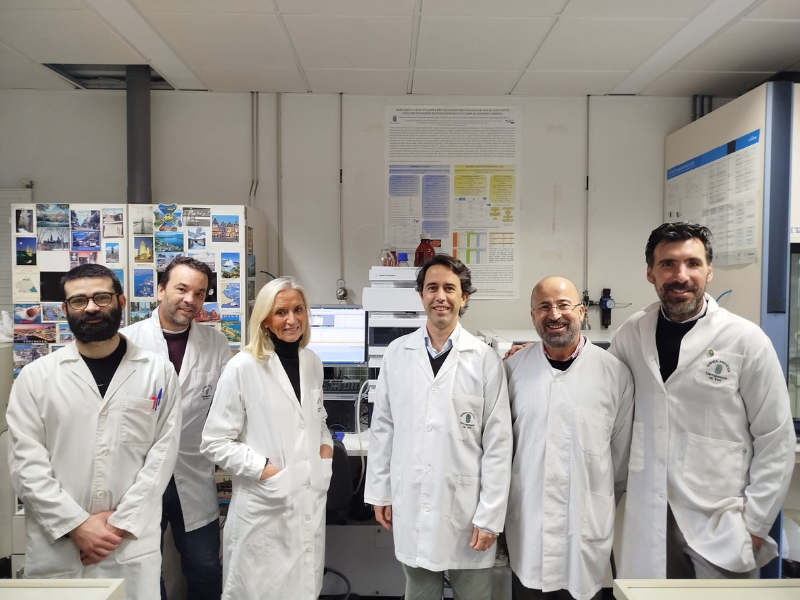
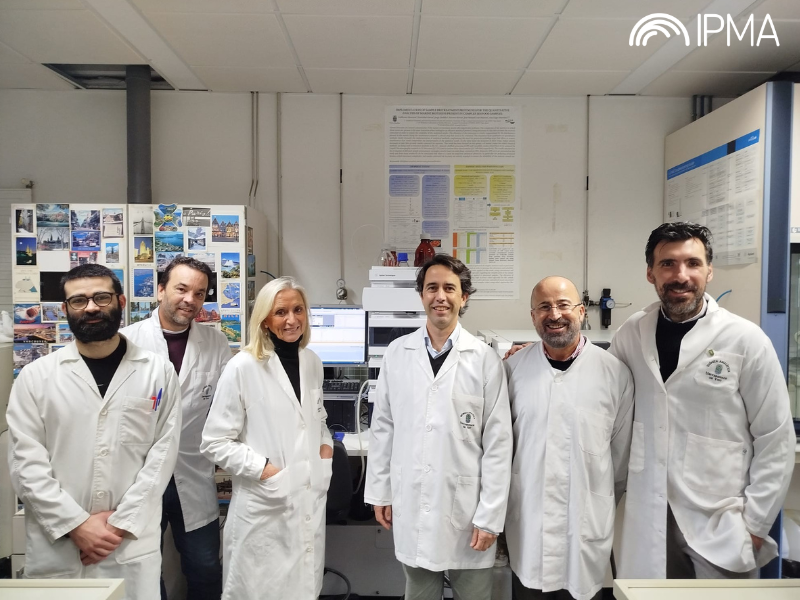
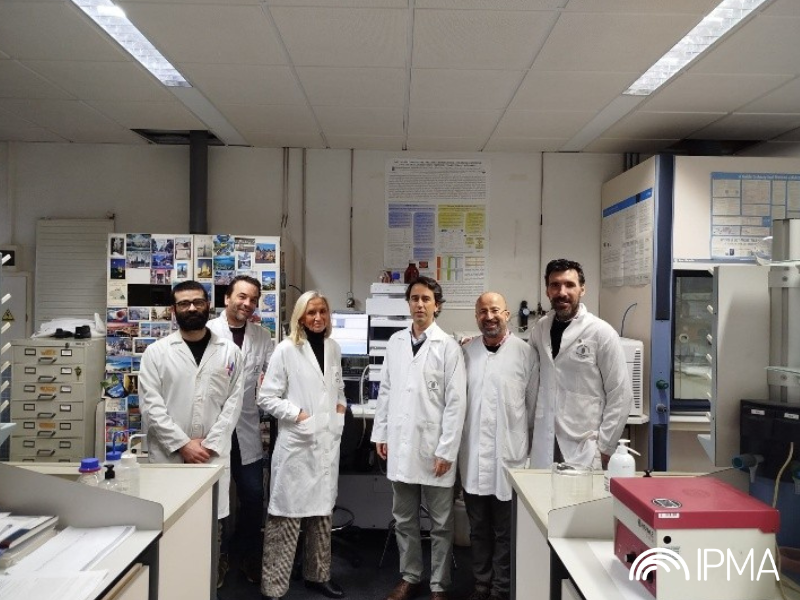
Within the framework of the Eurocigua-2 project, co-funded by the European Food Safety Authority (EFSA), researchers from IPMA and the Regional Laboratory of Veterinary and Food Safety of Madeira (LRVSA) carried out, from 19 to 23 January, a training visit at the University of Vigo to strengthen their expertise in the detection and determination of ciguatoxins in fish by liquid chromatography coupled to mass spectrometry. The training took place at the Analytical Chemistry Laboratory of the research team led by Professor Ana Gago-Martínez and Professor José Leao.
The analysis of ciguatoxins in fish and fishery products remains a current challenge. Ciguatoxins (CTX) are highly potent natural neurotoxins that can affect humans following the consumption of contaminated fish. Ciguatoxins, or their precursor compounds, are produced by epiphytic microalgae (Gambierdiscus and Fukuyoa) that enter the marine food chain through herbivorous fish, potentially reaching concentrations hazardous to human health in top-level predators. Although ciguatera is endemic to tropical regions such as the Caribbean and Polynesia, cases have been reported in Europe, particularly in Madeira and the Canary Islands.
This training reflects the efforts of the scientific community in the development of analytical techniques and the transfer of knowledge to public institutions, contributing to the mission of laboratories with responsibilities in environmental monitoring and food safety, such as IPMA and LRVSA Madeira.
Imagens associadas


-
Lisboa:
UTC:
Copyright © Portuguese Institute for Sea and Atmosphere 2026
-