6th meeting of the AQUAFISH0.0 project
 2026-05-04 (IPMA)
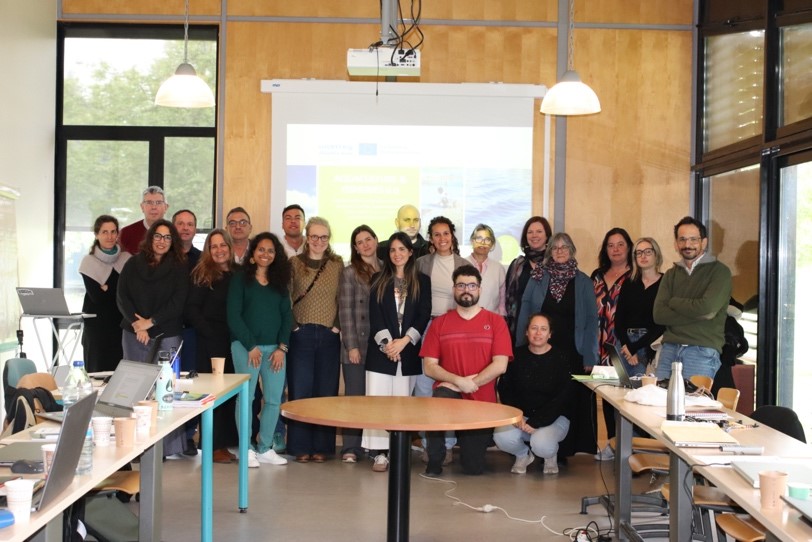
On April 14, 15, and 16, IPMA, IP participated in the 6th in-person Steering Committee meeting of the AQUAFISH 0.0 project (Interreg Atlantic Area 2021–2027, ref. EAPA_0062/2022), held in Rennes (France), focusing on monitoring and assessing the project’s progress.
The INTERREG Atlantic Area AQUAFISH 0.0 project – Aquaculture & Fisheries 0.0: Improving the acceptance and social awareness in the consumption of sustainable marine food products developed under the zero-waste philosophy – aims to promote social acceptance and raise awareness among consumers and producers regarding the adoption of practices and policies that reduce food loss and waste, in line with the “zero-waste” philosophy and based on the Quadruple Helix model.
The meeting was attended by Cláudia Afonso and Joana Matos, from the Aquaculture, Valorisation and Bioprospecting Division (DivAV), and João Araújo, from the Olhão Pilot Fish Farming Station (EPPO), representing IPMA, IP.
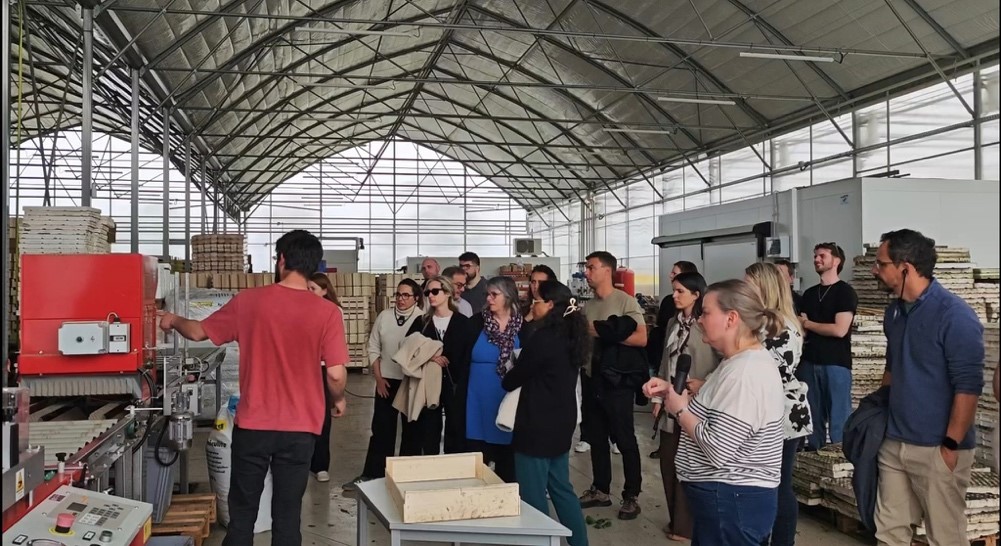
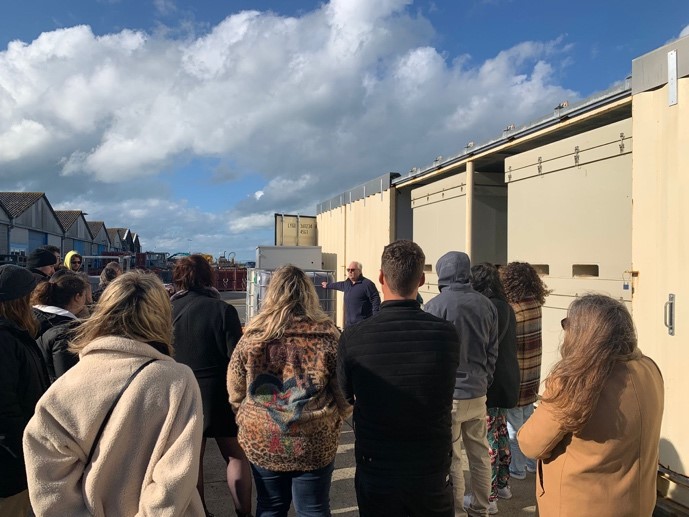
As part of the meeting, technical visits were carried out to French companies, namely Agriloops, which develops innovative saltwater aquaponics systems for the sustainable production of shrimp and vegetables in a closed-loop system, and Cultimer, a company that brings together producers and operates in the commercialization and distribution of seafood products, particularly shellfish and molluscs.
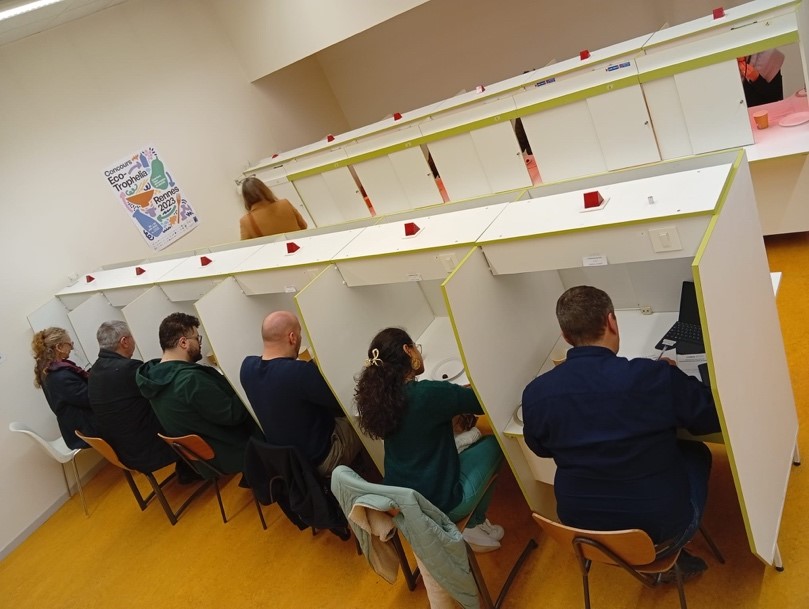
A sensory analysis session was also held at L’Institut Agro in Rennes, bringing together a panel of national and international tasters. During the session, a functional product developed by the DivAV team was presented — a mackerel-based sauce rich in omega-3 polyunsaturated fatty acids (EPA and DHA). The product was well received by participants, demonstrating strong sensory quality and potential as a marine-based functional food.
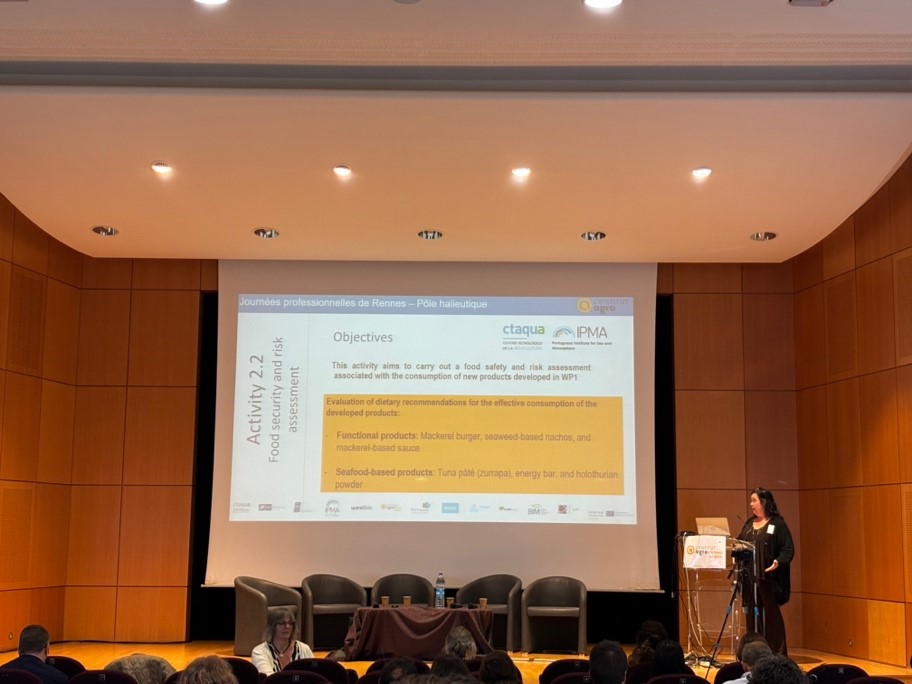
In parallel, the public event “Towards a sustainable valorisation of seafood products” took place, aimed at students and the general public. On this occasion, Cláudia Afonso and João Araújo delivered presentations entitled “What are the main food safety considerations and risks associated with these products?” and “What insights have been gained from the pilot projects?”.
Imagens associadas


-
Lisboa:
UTC:
Copyright © Portuguese Institute for Sea and Atmosphere 2026
-